
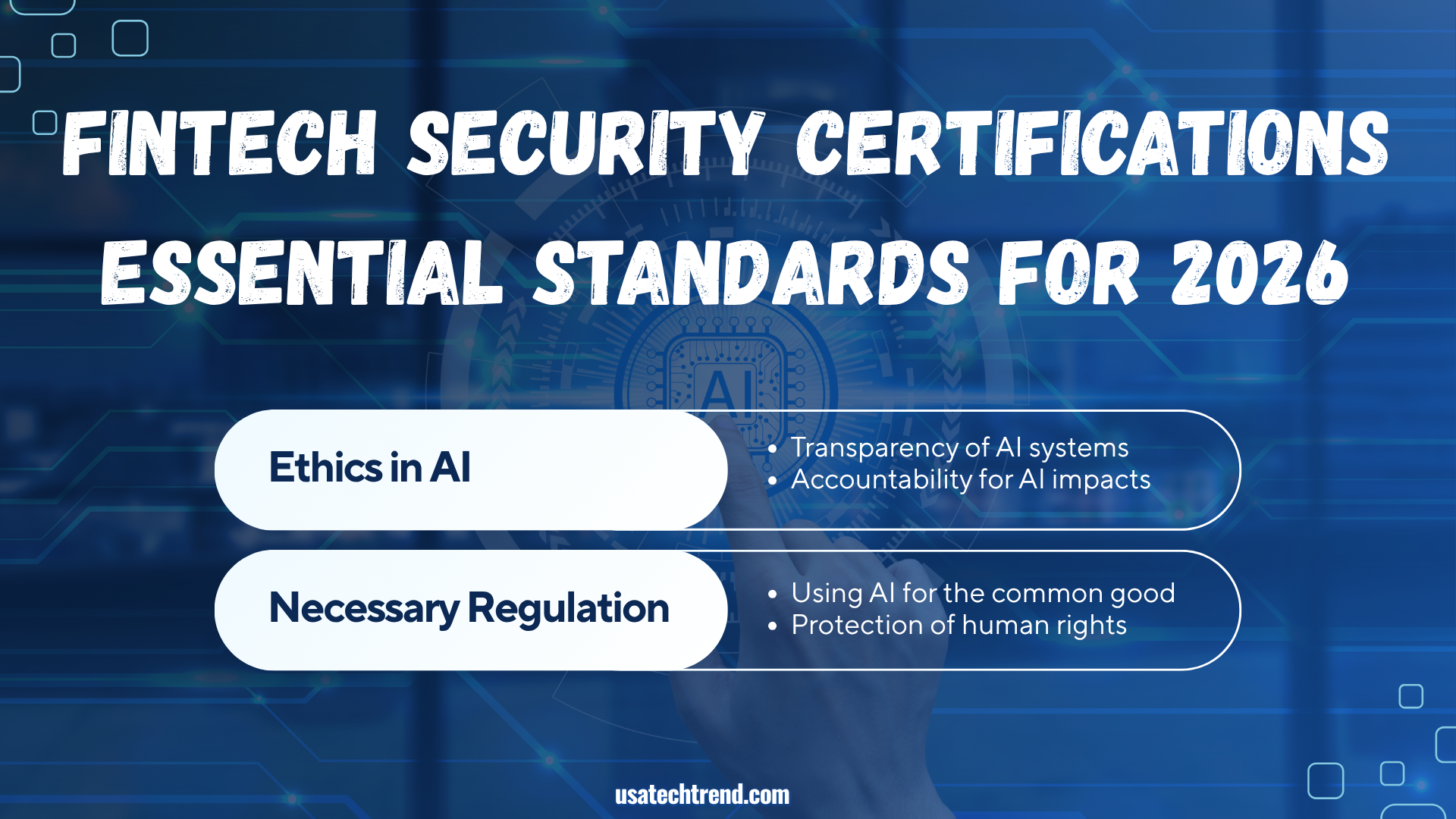
Fintech Security Certifications are specialized credentials that validate knowledge of cybersecurity, compliance, and risk management within financial technology environments.
This beginner-friendly, professional guide explains what fintech security certifications are, why they matter to financial institutions and startups, key features and services of top certificate programs, and how to choose the right path for your career in the fintech industry.
Why fintech certification and cybersecurity credentials matter for fintech professionals
Financial services companies depend on robust information security to protect customer data, ensure regulatory compliance, and maintain trust. A fintech certification signals to employers and regulators that a candidate understands security best practices in the financial sector.
For fintech startups and product teams, certified staff reduce operational risk, improve product-market fit, and accelerate partnerships with established banks and payment processors.
What is a fintech certificate program and professional certificate?
A fintech certificate program is a targeted training path—often online or blended—that combines coursework, labs, and sometimes an exam to award a professional certificate in fintech security or related disciplines.
Common tracks include cybersecurity for financial services, compliance (AML/KYC), secure software development, and data protection for fintech products powered by AI, blockchain, and machine learning.
Core components of fintech security certifications
Most programs include technical modules (network security, cryptography), governance (policies, audits), and practical labs (incident response, secure coding).
Top programs also integrate financial regulations, risk management frameworks, and real-world case studies from payments, lending, and digital asset platforms.
Types of fintech certificate courses and certifications
Options range from short online courses to rigorous certification exams by recognized bodies. Examples include vendor-neutral cybersecurity certificates, industry-specific compliance certifications, and university-backed fintech specializations.
Key features and services in fintech certification programs and cybersecurity courses
Hands-on labs and real-world simulations
Interactive labs simulate attacks on payment gateways, smart contracts, and cloud architectures used in fintech, which builds practical skills beyond theory.
Regulatory and compliance modules
Modules cover financial regulations (GDPR, PSD2, AML) and how to implement controls that meet audit requirements in financial institutions.
Capstone projects and assessments
Capstone projects demonstrate applied knowledge by designing secure fintech solutions or performing security assessments for simulated fintech products.
Exam and certification validity
Many certificates require passing an exam and periodic renewal to stay current with evolving threats and regulations.
Benefits of earning a fintech security certification
- Improved employability in the fintech sector and financial services industry.
- Demonstrable expertise in cybersecurity, compliance, and risk management.
- Higher salary prospects and faster promotion to senior security or product roles.
- Ability to design and evaluate secure fintech products and integrations.
- Reduced operational and regulatory risk for employers and clients.
Comparison of leading fintech certificate programs and certification courses
| Program | Focus | Duration | Cost (approx.) | Best for |
|---|---|---|---|---|
| Certified Fintech Security Professional (CFSP) | Fintech cybersecurity, incident response | 8–12 weeks | $1,200–$2,500 | Security analysts & engineers |
| FinTech Compliance & AML Certificate | AML/KYC, regulatory frameworks | 6–10 weeks | $700–$1,500 | Compliance officers & product managers |
| University Fintech Specialization (online) | Fintech foundations, blockchain, AI security | 3–6 months | $1,000–$3,500 | Career switchers & professionals |
| Cloud Security for Financial Services | Cloud architecture, secure deployments | 4–8 weeks | $400–$1,800 | DevOps & cloud security engineers |
Expert insight on earning a fintech certificate and advancing in cybersecurity
Senior security leaders and hiring managers emphasize applied experience over badges alone. Certifications accelerate learning and demonstrate commitment, but combining them with real-world projects and open-source contributions provides the strongest signal.
Experts recommend focusing on specialization—cloud security for fintech, secure smart contract auditing, or AML analytics—depending on your career goal in the financial sector.
How employers value fintech security certifications
Employers use certifications to screen candidates for baseline knowledge. For senior roles, panels look for evidence of leadership in security programs, cross-functional collaboration with legal and product teams, and proven incident handling experience.
Advice from security professionals
Start with a credible foundational certificate, then stack specialized certifications aligned with emerging technologies like blockchain and AI in finance.
Use cases: How fintech security certifications are applied in the fintech industry
Securing payment gateways and digital wallets
Certified professionals configure tokenization, encryption, and fraud-detection models for card processing and mobile wallets.
Protecting lending platforms and consumer data
Certification-trained teams implement data classification, consent frameworks, and secure lending decision flows to reduce breaches and ensure compliance.
Auditing blockchain and smart contract security
Specialized programs teach threat modeling for smart contracts, on-chain privacy considerations, and secure integration with off-chain systems.
Cloud-native fintech product security
Certificates focused on cloud security cover secure CI/CD pipelines, runtime protection, and multi-cloud governance for financial services.
Pricing and cost overview for fintech certificate programs and certifications
Costs vary widely by provider, depth, and credential value. Short vendor courses may cost under $500, while university-backed specializations or professional certificates range from $1,000 to $4,000.
Budget for additional expenses: exam fees, study materials, lab subscriptions, and periodic recertification. Employers sometimes sponsor training as part of professional development.
Common mistakes when pursuing fintech security certifications
Choosing certificates without clear career alignment
Many learners pick popular certificates without mapping them to desired roles, leading to skill gaps despite multiple badges.
Neglecting hands-on practice
Relying solely on theory reduces effectiveness. Practical labs, bug bounties, and open-source projects are essential.
Ignoring regulatory context
Technical skills without knowledge of financial regulations limit value in institutions that require audit-ready controls.
Overloading on certifications
Accumulating many certificates without depth can signal shallow knowledge. Depth in one or two areas is more valuable.
Future trends for fintech security certifications (2026 outlook)
By 2026, fintech security certifications will emphasize AI risk governance, secure ML pipelines, and privacy-preserving technologies like federated learning and zero-knowledge proofs.
Expect more modular certificate programs that stack into professional degrees, stronger industry-accreditation partnerships, and simulation-based exams that test real incident response under time pressure.
Emerging syllabus topics for 2026
Privacy engineering, AI governance for financial models, resilient cloud-native architectures, and quantum-resistant cryptography will become core modules in advanced programs.
Market demand and hiring trends
Demand will increase for cross-disciplinary professionals who combine security, data science, and regulatory expertise to manage complex fintech products.
Frequently Asked Questions about Fintech Security Certifications
1. What is the best fintech certification to get started?
Start with a foundational certificate in fintech security or cybersecurity fundamentals tailored to financial services; follow with specialization in cloud security or compliance depending on career goals.
2. How long does it take to earn a fintech certificate?
Short courses take 4–8 weeks; professional certificates and university specializations usually span 2–6 months of part-time study.
3. Are fintech certifications worth the cost?
Yes, when aligned with career objectives. They improve hiring prospects and equip you to reduce real financial and regulatory risk for employers.
4. Can I prepare for certification without a technical background?
Many programs offer beginner tracks that teach core concepts, but transitioning into technical roles requires hands-on practice and foundational IT knowledge.
5. How do I maintain my certification and stay current?
Renew certifications through continuing education credits, refresher courses, and participation in real-world projects like incident exercises and security audits.
Conclusion and call to action: Get certified and secure your fintech career
Fintech Security Certifications provide measurable value for professionals and organizations operating at the intersection of finance and technology.
Whether you’re seeking a certificate in fintech compliance, a professional certificate in cloud security, or specialization in blockchain risk, choose programs that combine hands-on labs, regulatory context, and real-world projects.
Ready to advance your career? Explore recommended programs, audit a sample course, or speak with a mentor to identify the best path.
Abacus Fintech Credit Card Terminal: Complete POS Solution Guide , Fintech Venture Capital Funds: Top Investors Backing Innovation , AI Fintech Compliance: How Artificial Intelligence Improves Regulations
Leave a Reply