
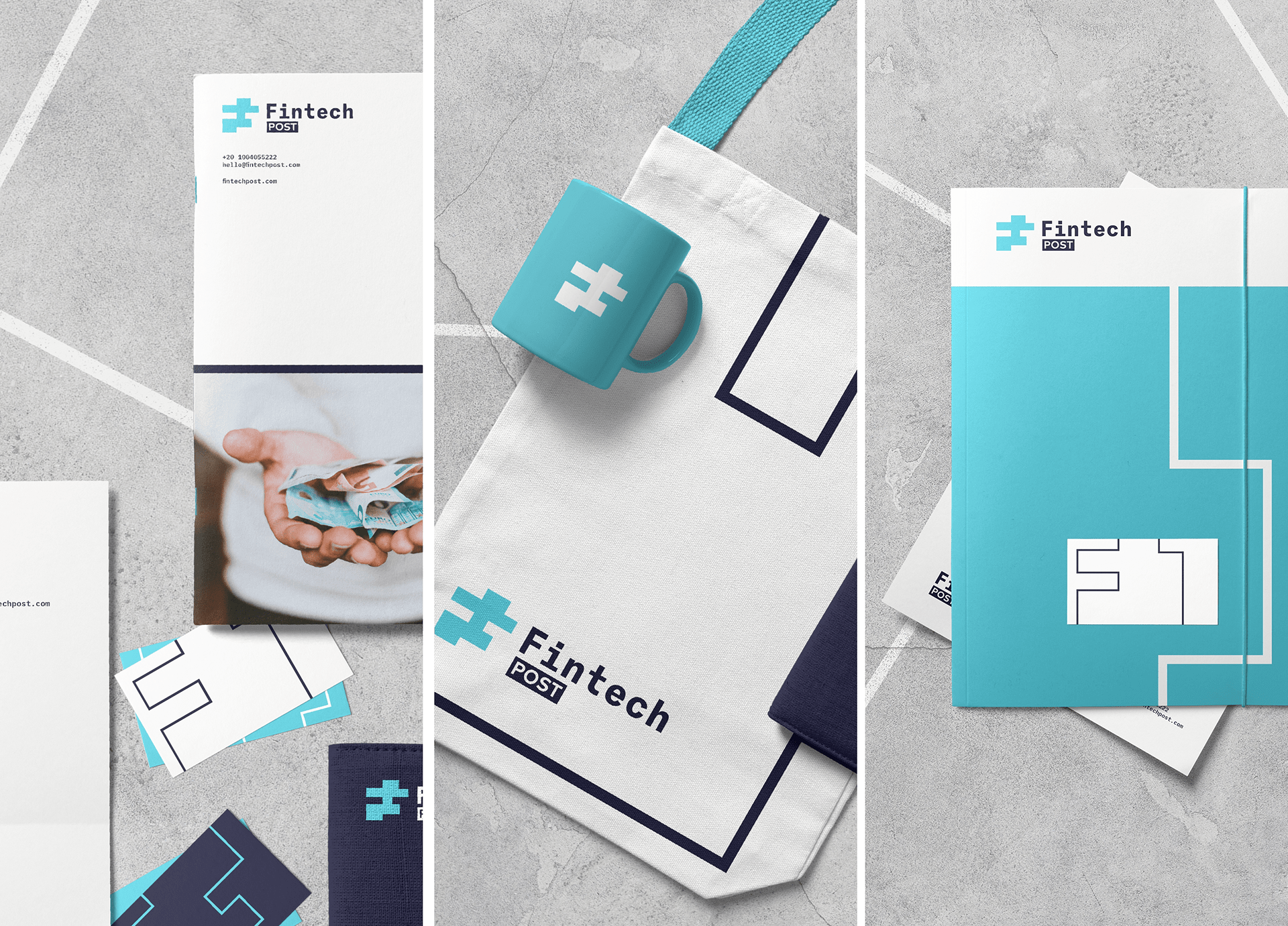
Fintech teams often struggle with inconsistency, slow product launches, and diluted brand presence. Building brand identity with fintech design systems solves these problems by uniting visual style, interaction patterns, and developer workflows into one reliable source.
This approach speeds design-to-code handoffs, creates trust with users, and helps fintech companies scale their product lines while staying on brand.
What building brand identity with fintech design systems means
A fintech design system is a collection of reusable components, guidelines, and assets tailored for financial products. It includes color palettes, typography, UI components, accessibility rules, and coded libraries.
When used to build brand identity, a design system ensures every interface reflects your brand values—secure, clear, and user-centered—across web, mobile, and embedded experiences.
Why it matters for fintech brands
Fintech relies heavily on trust and clarity. Users expect security and simplicity when managing money or financial data.
Design systems help create consistent user experiences that reduce friction, improve perceived reliability, and strengthen brand recognition across touchpoints.
Main features of fintech design systems
- Design tokens for colors, spacing, and typography to ensure visual consistency.
- Accessible components built to WCAG standards for inclusive financial products.
- Pattern libraries for onboarding, verification, transaction histories, and error states.
- Versioned code libraries (React, Vue, Swift, Kotlin) for rapid implementation.
- Documentation portals with guidelines, usage examples, and brand voice notes.
How fintech design systems support brand identity
Design systems act as a single source of truth for designers, product managers, and developers. They reduce debate about small design details and let teams focus on bigger product problems.
By defining the visual and interaction rules early, fintech companies can maintain a consistent brand presence across new features, partners, and channels.
Benefits of building brand identity with fintech design systems
- Faster product development and reduced design debt.
- Stronger user trust through consistent, predictable interfaces.
- Improved accessibility and compliance with financial regulations.
- Scalable branding for new markets, products, and integrations.
- Lower maintenance cost through reusable components and tokens.
Main tools and companies driving fintech design systems
Several tools and organizations help fintechs create and maintain robust design systems. Choose tools that match your stack and scale.
- Figma — collaborative design and component libraries.
- Storybook — isolated UI component development and documentation.
- Design tokens (Style Dictionary, Theo) — sync tokens across platforms.
- Bit.dev — component distribution and reuse across projects.
- Zeroheight — documentation portals that integrate with design tools.
- Major companies: Stripe, Revolut, Monzo, Plaid, and Coinbase have public or well-known internal systems.
Practical steps to build your brand identity with a fintech design system
Start small and iterate. A phased approach reduces risk and demonstrates value quickly.
- Audit current UI and brand assets to identify inconsistencies.
- Define brand foundations: voice, color, typography, and accessibility goals.
- Create design tokens and a minimal component set for core flows.
- Build a living documentation portal for examples and rules.
- Integrate components into your codebase with clear versioning.
- Measure impact on design velocity, NPS, and error rates, then expand.
Comparison: Design systems vs. ad-hoc design approach
| Aspect | Finite Design System | Ad-hoc Design |
|---|---|---|
| Consistency | High—single source of truth | Low—varies by team |
| Speed of delivery | Faster after initial setup | Slower due to repeated decisions |
| Developer handoff | Clear components and tokens | Spec writing and rework |
| Scalability | Designed for growth | Hard to maintain at scale |
| Compliance & Accessibility | Built-in standards | Often inconsistent |
Expert insight
“A design system is more than a UI kit; it’s a contract between product, design, and engineering,” says Maya Thompson, Head of Product Design at a global payments firm. “For fintechs, that contract must include security patterns, clear error states, and accessible verification flows. When teams treat the system as a living product, brand identity becomes effortless and measurable.”
Tools, resources, and templates
Use a combination of design and engineering tools to maintain your system and brand identity.
- Design: Figma libraries, Sketch libraries, Adobe XD assets.
- Documentation: Zeroheight, Notion, GitHub Pages.
- Development: Storybook, Bit.dev, npm packages, Design Tokens tools.
- Testing: Axe-core for accessibility, Percy for visual regression.
Look at public references such as Stripe’s design system for financial UX patterns and Monzo for mobile banking aesthetics to learn practical applications.
Internal links
See more about design tokens and cross-platform scaling in [link: topic]. For practical onboarding pattern examples, visit [link: topic].
Frequently Asked Questions
1. How long does it take to set up a fintech design system?
Initial setup can take 6–12 weeks for a minimal viable system covering core flows. Full rollout across platforms may take 6–12 months depending on team size and product complexity.
2. Can small fintech startups benefit from a design system?
Yes. Even a small component library and clear tokens prevent rework and set a foundation for growth. Start with key flows like onboarding and payments.
3. How do design systems handle compliance and security needs?
By embedding secure patterns, identity verification flows, and clear error messaging into components, systems ensure consistent compliance and reduce risky custom implementations.
4. Who should own the design system?
Ownership is cross-functional. A small core team (design + engineering + product) should steward the system, while contributors across teams add patterns and components.
5. What metrics show a design system is working?
Track metrics like reduced front-end bugs, faster feature delivery, fewer design reviews, improved NPS, and accessibility compliance rates.
Conclusion and next steps
Building brand identity with fintech design systems is a strategic investment that pays off in speed, trust, and scalability. Start with clear brand foundations, create tokens and core components, and treat the system as a living product.
Ready to make your fintech product consistent and trusted? Begin a small pilot for your highest-impact flow, measure results, and scale from there.
Explore practical guides and templates in our resources: Optimizing Fintech Content for AI Assistants (Best Practices) , Best Webflow Agencies for Fintech Website Development , Best Fintech Content Marketing Services (2025 Guide) .
Leave a Reply