
Top vpn detection services for Fraud Prevention Fintech explain how modern detection services identify vpn usage, proxies and suspicious ip address behavior to detect and prevent fraud. This introduction outlines why fintech teams must use vpn detection tools, device intelligence and transaction monitoring to reduce fraud losses while maintaining a smooth experience for legitimate users.
What it is: vpn detection and fraud detection for fintech
Vpn detection services are specialized solutions that flag virtual private network connections, proxies, and anonymizing tools that bad actors use to hide location or mask identity. In fintech fraud detection, these tools integrate with transaction monitoring, risk score engines and device intelligence to provide real-time signals about vpn usage, suspicious activity and potential account takeover fraud.
Why it matters for fintech fraud prevention and compliance
Fintech firms face constant financial crime threats, from payment fraud and card fraud to synthetic identity and takeover fraud. Detecting vpns and proxies reduces the risk of fraud schemes by exposing anonymized traffic and improving AML controls. The right vpn detection solution helps the risk team enforce compliance, reduce fraud risk and maintain low false positives.
Features / Services / tools offered by top vpn detection services
Leading vpn detection services combine multiple features to give fintechs broad detection capabilities:
- IP address reputation databases and known vpn provider lists.
- Real-time vpn and proxy detection APIs for transaction monitoring.
- Device intelligence and browser fingerprinting to detect multiple accounts and synthetic identity attempts.
- Risk scoring that factors vpn usage, geolocation anomalies and historical fraud patterns.
- Residential proxy and datacenter IP differentiation to reduce false positives.
- Machine learning models to spot new fraud schemes and adapt in real time.
- Integration with KYC/AML workflows and identity verification providers.
- Dashboard, alerts and forensic logs for investigations and compliance requests.
Benefits of using vpn detection in fintech
- Reduce fraud losses by identifying anonymized connections and high-risk vpn traffic.
- Improve fraud detection capabilities with richer signals for risk scoring and transaction monitoring.
- Decrease false positives by combining ip intelligence with device and behavioral signals.
- Protect against account takeover and synthetic identity fraud by spotting suspicious vpn patterns.
- Support compliance and AML workflows with auditable logs and forensic evidence.
- Enhance user trust by blocking bad actors while preserving legitimate user access.
Comparison table: top vpn detection services for fintech fraud detection
| Service | Key vpn detection features | Best for | Pricing model |
|---|---|---|---|
| Provider A | Real-time vpn & proxy API, device fingerprinting, ML risk score | High-volume payment platforms | Tiered per-API-call |
| Provider B | IP reputation, residential vs datacenter differentiation, compliance logs | Neobanks and lenders | Subscription + usage |
| Provider C | Proxy detection, bot detection, integration with KYC vendors | Marketplaces & wallets | Custom enterprise pricing |
Expert insight: how vpn detection accelerates fintech fraud prevention
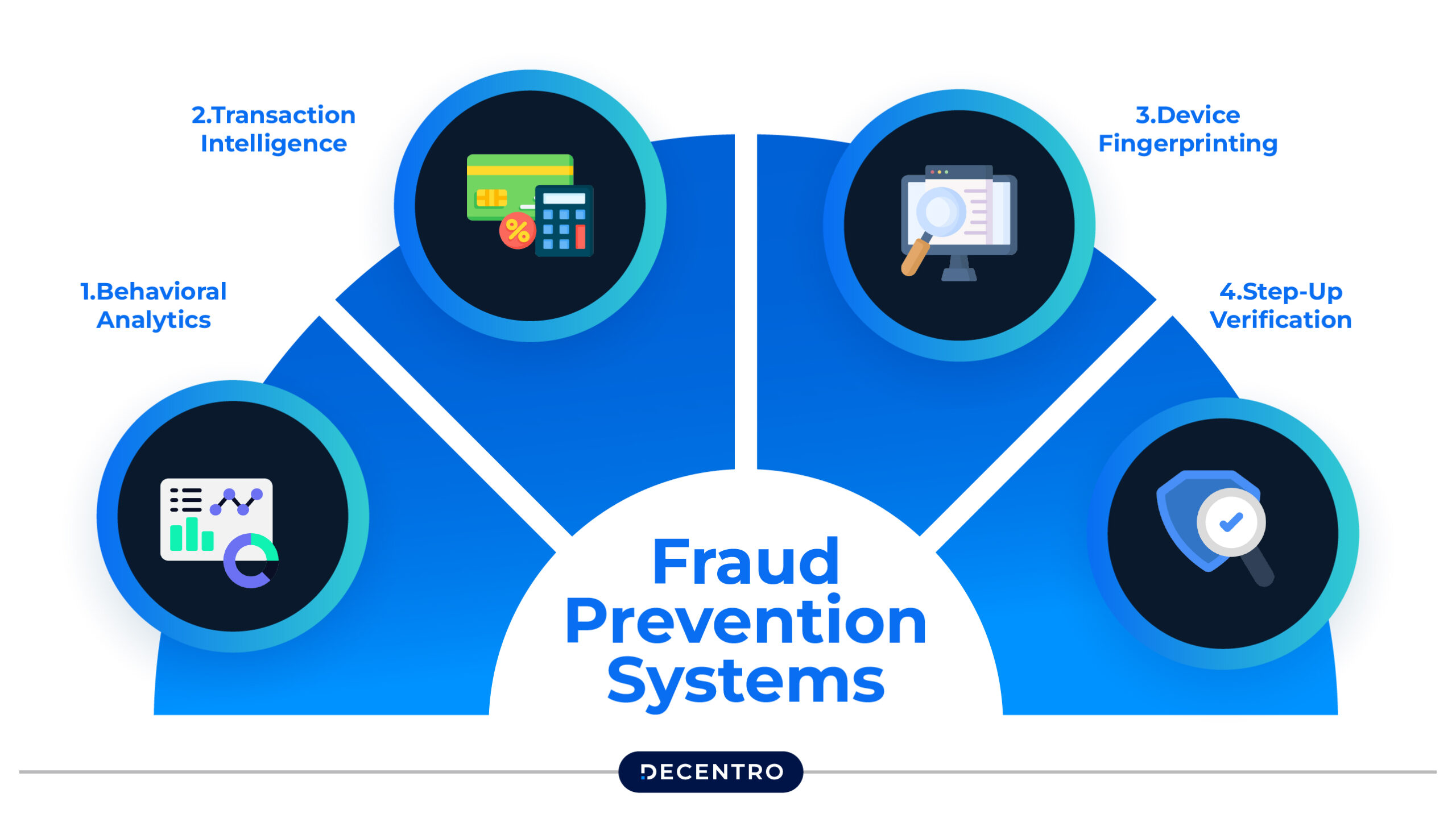
Experts recommend layered defenses: vpn detection should never be the sole control. Combine vpn signals with device intelligence, behavioral analytics and identity verification to reduce fraud effectively. Real-time detection capabilities and a low-latency API let fraud teams block malicious vpn connections at the point of transaction without disrupting legitimate users who use a vpn for privacy. Machine learning models trained on labeled fraud data reduce false positives and evolve with emerging fraud patterns.
Use cases: where vpn detection protects fintech services
Top vpn detection services for Fraud Prevention Fintech in payments
Payment platforms use vpn detection to flag high-risk transactions coming from anonymized ip addresses and trigger secondary verifications or holds, reducing payment fraud and chargebacks.
Top vpn detection services for Fraud Prevention Fintech in onboarding
During KYC flows, vpn signals coupled with identity verification help detect synthetic identity attempts and multiple account creation from the same masked connection.
Top vpn detection services for Fraud Prevention Fintech in account security
For account takeover prevention, vpn detection identifies suspicious session changes, such as login from a new vpn provider combined with credential stuffing patterns.
Pricing / Cost overview
Pricing varies by vendor and deployment. Typical models include:
- Pay-per-request: Ideal for startups and variable traffic volumes.
- Subscription tiers: Fixed monthly fees with included API calls and overage charges.
- Enterprise contracts: Custom SLAs, dedicated support and on-premise options.
Estimate: small fintechs should budget $200–$2,000/month for basic vpn detection and IP intelligence. Mid-market companies often spend $2,000–$20,000/month for advanced device intelligence and ML risk scoring. Enterprise deployments for banks and global platforms commonly run higher, with custom pricing depending on integrations and volume.
Implementation tips for fintech risk teams
Start with a proof-of-concept: test vpn detection alongside existing rules and monitor false positives. Tune risk scores, add context from device intelligence, and create escalation flows for secondary verification. Keep compliance in mind: log data for audits and ensure privacy policies cover IP processing. Consider vendor support for onboarding, threat intelligence feeds and continuous model updates.
Leading Proxy Detection Platforms for Fintech Security in 2026 , Fintech Underwriting: Modern Risk Assessment Strategies for Fintech Companies (2026) , Fintech SaaS Solutions: Top Software Platforms for Financial Businesses (2026)
FAQs
1. What is vpn detection and how does it differ from proxy detection?
Vpn detection identifies virtual private networks specifically, while proxy detection flags intermediate servers that route traffic. Many vendors detect both and differentiate residential proxies, datacenter proxies and known vpn providers to refine risk scoring.
2. Will vpn detection block legitimate users who use a vpn for privacy?
Not necessarily. The best approach is risk-based: combine vpn signals with device intelligence and behavioral history. Low-risk vpn users can pass, while high-risk vpn sessions trigger additional verification or frictionless challenges.
3. How does vpn detection reduce account takeover fraud?
It surfaces anomalies like new vpn connections during sensitive actions (password resets, funds transfers). When combined with credential stuffing detection and device fingerprinting, teams can interrupt takeover flows before losses occur.
4. Can vpn detection integrate with AML and KYC systems?
Yes. Most vpn detection services offer APIs and webhooks to integrate vpn usage signals into AML workflows, case management systems and identity verification providers.
5. Are detection services accurate in real time?
Top vendors provide real-time APIs with high accuracy, but no system is perfect. Combining multiple signals and using machine learning to tune models improves real-time detection while reducing false positives.
Conclusion: Detect and prevent fraud with modern vpn detection services
Top vpn detection services for Fraud Prevention Fintech are essential components of a modern fraud detection stack. By identifying vpn usage, proxies and anonymized ip activity, fintechs can strengthen transaction monitoring, reduce payment fraud, and guard against account takeover and synthetic identity attacks. Start small with a POC, integrate device intelligence and tune your risk scores to balance security with customer experience.
Ready to upgrade your fraud defenses? Contact our team for a tailored evaluation and implementation roadmap that helps you detect and prevent fraud while protecting legitimate users.
Call to action: Request a demo or security assessment to see vpn detection in action and reduce fraud losses today.


Leave a Reply