
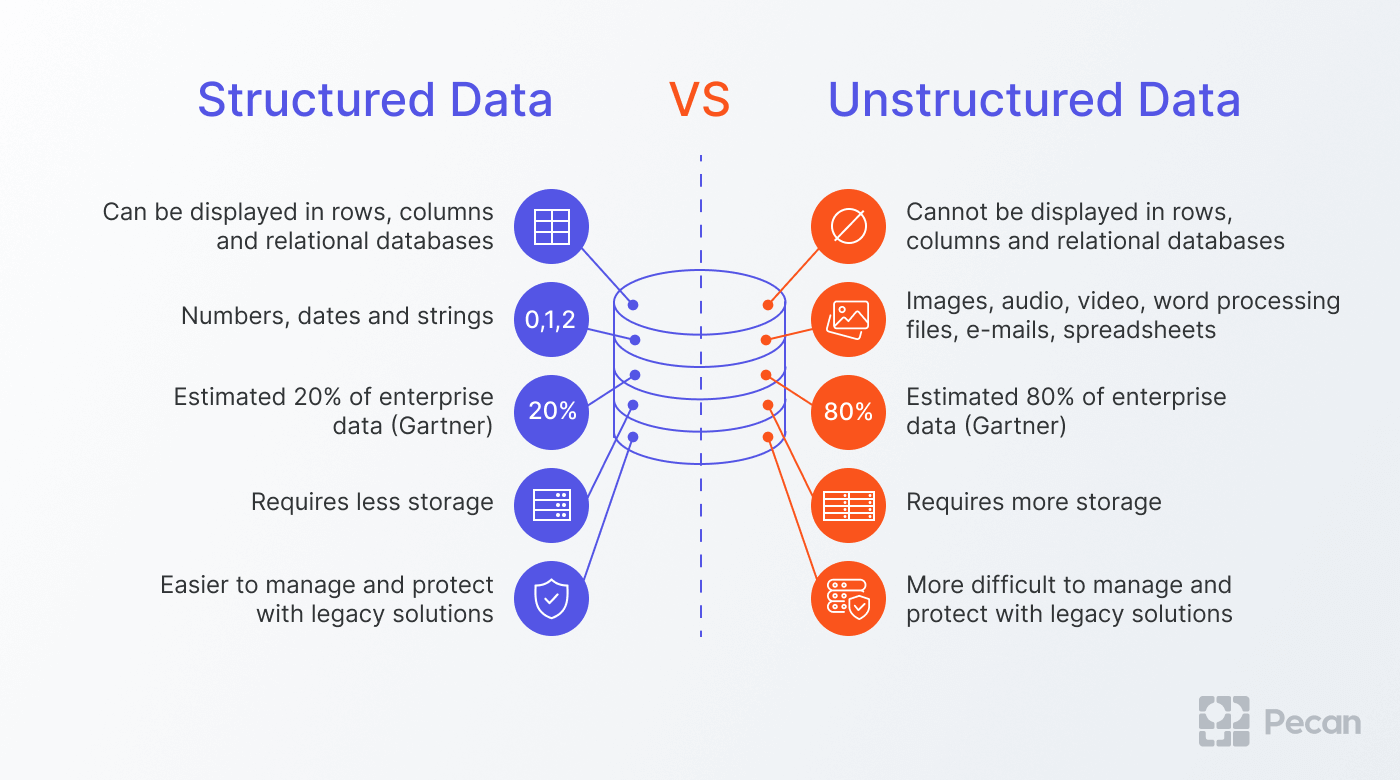
Comparing Unstructured Data Parsing APIs for Fintech Onboarding
Comparing unstructured data parsing APIs for fintech onboarding is essential for financial institutions that must convert messy documents, images, and free-form text into accurate, structured records for KYC, AML, and customer experience. This guide breaks down what these APIs do, how to evaluate them, and which capabilities matter most when speed, accuracy, and compliance are non-negotiable.
Comparing unstructured data parsing APIs for fintech onboarding: What it is
Unstructured data parsing APIs are cloud or on-premise services that extract actionable fields and metadata from sources like identity documents, bank statements, emails, PDFs, and screenshots. In fintech onboarding, they translate varied inputs into normalized records for identity verification, risk scoring, and account opening workflows.
Comparing unstructured data parsing APIs for fintech onboarding: Core components
Key components include OCR (optical character recognition), NLP (natural language processing), layout understanding, entity extraction, and validation engines that cross-check against rules or databases.
Benefits of parsing unstructured inputs
Reducing manual review, improving time-to-approval, and enabling automated decision-making are immediate outcomes. These APIs also feed downstream models for fraud detection and continuous monitoring.
Why it matters
Fintechs operate under tight regulatory scrutiny and intense competition. Fast, accurate onboarding reduces drop-off, lowers operational costs, and improves regulatory compliance.
Without robust parsing, teams depend on manual entry or brittle rule sets that fail on diverse documents. High error rates cause friction, rejected accounts, and compliance gaps.
Features / Services / tools to evaluate
comparing unstructured data parsing APIs for fintech onboarding: Accuracy & performance
Look at field-level accuracy, confidence scoring, and real-world benchmarks on passports, IDs, bank statements, and handwritten forms. Latency and throughput matter if you scale to thousands of daily verifications.
Integration & developer experience
APIs should offer SDKs, test environments, sample datasets, and clear documentation. Webhooks, batch processing, and sandbox accounts accelerate adoption.
Security, privacy & compliance
Support for strong encryption, SOC 2, ISO 27001, GDPR, and data residency controls is vital. Check redaction, ephemeral storage, and PCI/PII handling.
Data types & multilingual support
Support for images, native PDFs, scanned documents, email text, and multiple languages reduces manual exceptions and globalizes onboarding.
Validation, enrichment & anti-fraud
Built-in checks like MRZ parsing, document tamper detection, liveness checks, and cross-field validation make a platform production-ready.
Benefits
- Faster onboarding and lower abandonment rates
- Reduced manual review costs and human error
- Improved compliance with automated rule enforcement
- Scalable handling of documents and high throughput
- Better customer experience through instant verification
- Centralized audit trails and confidence scoring
Comparison table
| Feature | API A (Enterprise) | API B (Mid-market) | API C (Cost-first) |
|---|---|---|---|
| OCR accuracy (IDs) | 99.2% field-level | 97.5% | 95% |
| Document types | ID, passport, bank stmt, invoices, handwritten | ID, passport, bank stmt, invoices | ID, passport |
| Languages | 120+ | 60+ | 20 |
| Fraud & liveness | Advanced tamper detection + biometric liveness | Face match + basic tamper checks | None / third-party integrations |
| Compliance | SOC 2, ISO 27001, GDPR, data residency | SOC 2, GDPR | GDPR (limited) |
| Throughput & latency | High throughput, <200 ms avg. | Medium throughput, ~500 ms | Low throughput, 700+ ms |
| SDKs & integrations | Full SDKs, plugins, webhooks | SDKs, REST API, webhooks | REST API only |
| Price model | Enterprise licensing + per-transaction | Per-transaction with volume tiers | Low fixed cost / pay-as-you-go |
Expert insight
When comparing unstructured data parsing apis for fintech onboarding, prioritize real-world evaluation over vendor claims. Run pilot tests using your own documents and edge cases: multi-page bank statements, low-light selfies, and foreign-language IDs. Measure field accuracy, false positives, and the rate of manual exceptions.
Experts recommend an architecture that decouples parsing from decisioning. Use parsing APIs to produce structured outputs and confidence scores, then feed those into your rules engine or ML models. This reduces lock-in and simplifies vendor swaps.
Also consider vendor operational maturity: incident response, SLA, and support for regulatory audits. A slightly higher cost often buys faster incident resolution and better compliance support.
Use cases
Comparing unstructured data parsing APIs for fintech onboarding in KYC workflows
Automatically extract name, DOB, ID numbers, addresses, and document expiry dates to speed KYC checks and reduce manual review queues.
Account opening and underwriting
Parse bank statements to detect income patterns, parse invoices for vendor onboarding, and normalize transaction descriptions for credit scoring.
Transaction monitoring & AML
Ingest unstructured case notes, emails, and attachments to enrich alerts and speed investigations.
Customer support automation
Automatically extract dispute details, uploaded receipts, and contract clauses to route cases and shorten resolution times.
Pricing / Cost overview
Pricing models generally fall into three categories: pay-as-you-go per page/record, committed volume tiers with discounts, and enterprise licensing that bundles SLAs and custom integrations.
Typical cost drivers:
- Document complexity (handwriting or multi-page documents cost more)
- Volume and peak throughput
- Optional add-ons: biometric liveness, tamper detection, or data residency
- Support & SLA level
Ballpark ranges (indicative):
- Cost-first providers: $0.01–$0.10 per page
- Mid-market APIs: $0.10–$0.50 per page
- Enterprise solutions: $0.50–$2.00+ per page or subscription
For budgeting, pilot with a few thousand documents to measure real per-document costs, exception rates, and downstream savings from reduced manual review.
FAQs
1. What documents can parsing APIs handle?
Most modern APIs handle passports, driver’s licenses, ID cards, bank statements, invoices, receipts, and multi-page PDFs. Check vendor lists for country coverage and handwritten support.
2. How accurate are these APIs for handwriting?
Handwriting accuracy varies widely. Advanced solutions with specialized models can reach high accuracy for printed forms and typical cursive, but expect more exceptions and higher review rates than printed text.
3. Are parsing APIs safe for sensitive financial data?
Yes, when vendors support encryption in transit and at rest, SOC 2/ISO certifications, and appropriate data residency. Confirm retention policies and audit logs before sharing PII.
4. Can I run parsing on-premise for regulatory reasons?
Some vendors offer on-prem or private cloud deployments for customers with strict residency or security requirements. Expect higher costs and longer implementation times.
5. How do I choose the right API for my fintech?
Run a pilot with representative documents, measure accuracy and exception rates, evaluate latency, integration complexity, and compliance features. Factor in total cost of ownership, vendor support, and scalability.
Conclusion + CTA
Choosing the right provider when comparing unstructured data parsing apis for fintech onboarding is a strategic decision that impacts compliance, customer experience, and operational costs. Focus on real-world accuracy, security, and how well the API integrates into your decisioning stack.
Ready to reduce onboarding friction and speed approvals? Start a pilot with your top vendors, test with live documents, and review exception rates. For implementation guidance and a tailored vendor shortlist, contact our team.
Top VPN Detection Services for Fraud Prevention Fintech Platforms (2026) , Leading Proxy Detection Platforms for Fintech Security in 2026 , Fintech Underwriting: Modern Risk Assessment Strategies for Fintech Companies (2026)
Leave a Reply