
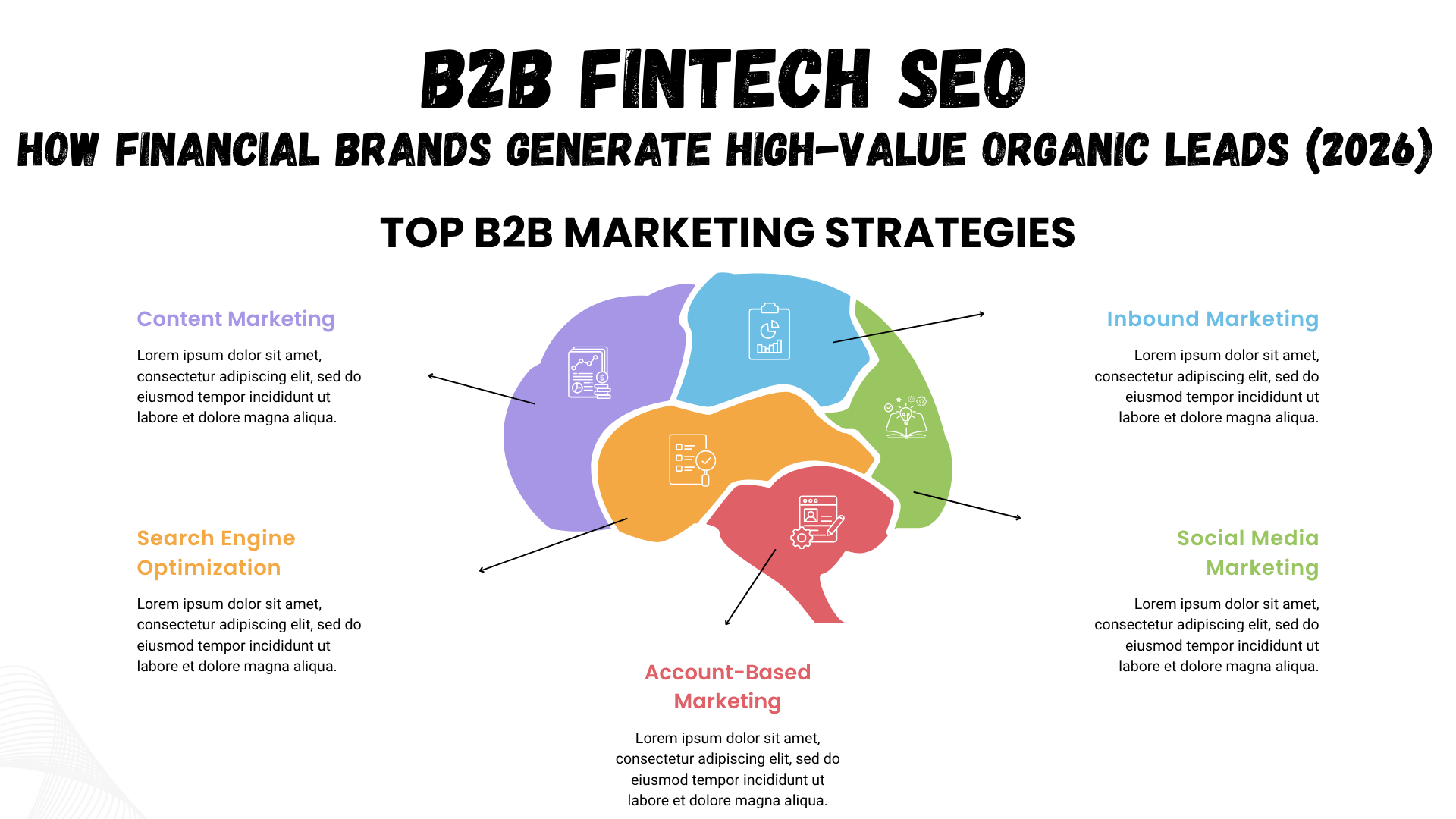
B2B Fintech SEO is the foundation for driving high-intent organic traffic, qualified leads, and long-term visibility for fintech companies and b2b saas platforms. This guide explains what it is, why it matters, and how to build effective seo strategies tailored to the financial technology space.
Designed for marketing managers, founders of fintech startups, product and growth teams, and fintech seo agencies, the article balances beginner-friendly explanations with expert-grade tactics and case-backed recommendations.
Fintech seo strategies: What B2B Fintech SEO Is and Why It Matters
What it is: Search engine optimization for financial technology
B2B Fintech SEO combines on-page seo, technical seo, content strategies, and link building to improve ranking on search engines for queries relevant to financial services, embedded finance, and fintech platforms. It targets high-intent keywords, optimizes site architecture, and aligns content with search intent to increase organic traffic and conversion rate.
Why it matters for fintech companies and b2b saas
Organic search is a primary acquisition channel for fintech firms because it delivers scalable, lower-cost leads compared with paid channels. In regulated industries, seo also builds trust signals and domain authority that improve conversion and long-term customer relationships.
Optimize content and technical seo: Key Features and Services of Fintech SEO
Core services offered by fintech seo agencies and marketing teams
Top fintech seo agencies typically provide: comprehensive audits, keyword research, technical seo fixes, content creation, on-page seo, analytics and reporting, link building, and CRO support. These services are adapted to fintech compliance and security requirements.
Technical SEO for fintech platforms
Technical seo ensures fast load times, structured data for financial products, secure site architecture (HTTPS), proper canonicalization, and mobile-first ux — all crucial for trust and ranking in the fintech sector.
Content strategies and creation
High-quality content for the fintech space ranges from product pages and API docs to thought leadership, case studies, and comparison content that targets every stage of the funnel. Content marketing aligned with search intent drives top-of-the-funnel visibility and nurtures leads down to conversion.
Lead generation and seo performance: Benefits of B2B Fintech SEO
Effective fintech seo delivers measurable business results. Benefits include:
- Increased organic traffic and visibility for high-intent keywords
- Higher-qualified leads and improved conversion rates
- Lower customer acquisition cost versus paid channels
- Stronger brand authority and trust signals for financial services
- Sustainable long-term growth and compounded ranking benefits
SEO agencies and analytics: Comparison Table — DIY vs. Fintech SEO Agency vs. Hybrid
| Feature | DIY (In-house) | Fintech SEO Agency | Hybrid (Tool + Agency) |
|---|---|---|---|
| Cost | Low to medium | Medium to high | Medium |
| Expertise in compliance | Variable | High | High |
| Speed to impact | Slow | Faster | Moderate |
| Technical SEO depth | Depends on team | Strong | Strong |
| Content scale | Limited | Scalable | Scalable |
| Best for | Small fintech startups | Growing fintech platforms, b2b fintech companies | Established firms optimizing spend |
Optimize: Expert Insight on Fintech SEO and seo strategies
What experts prioritize
Top seo experts in the fintech industry emphasize search intent mapping, technical audits, and creating cornerstone content that targets niche financial product queries. Combining generative ai for ideation with human editing ensures factual accuracy and compliance.
Practical advice from seasoned professionals
Start with a rigorous audit focusing on crawlability, indexation, and trust signals. Invest in case studies that demonstrate ROI, and use analytics to measure funnel progression from organic search result to demo request or trial.
Top fintech seo: Use Cases and Real-World Applications
Use case: B2B payments platform
A b2b payments fintech optimized for keywords like “payment orchestration for enterprises” improved organic traffic by 120% after restructuring product content, implementing schema, and publishing comparative guides.
Use case: Embedded finance API provider
Fintech saas companies offering API-driven embedded finance can capture developer and procurement queries by publishing integration docs, SDK guides, and solution briefs — converting developer interest into qualified leads.
Use case: Lending platform for SMBs
Targeting local SEO and educational content about underwriting, compliance, and repayment helped a fintech lender reduce CAC and increase demo signups from organic channels.
Fintech Marketing Strategies: Pricing and Cost Overview for SEO Services
SEO pricing for fintech varies by scope, complexity, and the need for compliance review. Typical models include monthly retainers, project-based fees, and performance-based pricing.
- Small fintech startups: $2,000–$5,000/month for basic audits and content
- Mid-market fintech & b2b saas: $5,000–$15,000/month for full-service seo and content
- Enterprise fintech & regulated financial services: $15,000+/month with compliance and analytics integrations
Agencies offering specialized fintech seo services may charge premiums for security, legal review, and highly technical content creation.
On-Page SEO and user experience: Common Mistakes to Avoid
Pitfalls that harm b2b fintech seo efforts
- Keyword stuffing and ignoring search intent — focus on relevance and user needs.
- Weak product pages — missing technical details, pricing cues, and trust signals.
- Poor internal linking and siloed content that prevents crawl efficiency.
- Neglecting technical seo: slow pages, broken schema, or crawl errors.
- Using generative ai without human validation — risk of factual or compliance errors.
How to correct these mistakes
Perform an seo audit, map keywords to funnel stages, and create a content schedule that blends educational articles, case studies, and transactional pages. Prioritize UX and clear CTAs to improve conversion rate.
Analytics and metrics: Measuring SEO Success and ROI
Key metrics to track
Monitor organic traffic, ranking for high-intent keywords, conversion rate from organic search, domain authority, backlinks, page speed, and user engagement metrics. Use attribution to connect organic search to qualified leads and revenue.
Tools and reporting
Combine Google Search Console, Analytics, crawl tools, and specialized fintech seo dashboards. Regularly report SEO performance and tie improvements to business metrics like demo requests and MQLs.
Future Trends 2026: What’s Next for B2B Fintech SEO
AI, generative content, and quality controls
By 2026, ai will accelerate content ideation and personalization, but the differentiator will be human-led verification, domain expertise, and compliance checks. Generative AI will be used for scale but editorial control will maintain trust signals.
Search engine evolution and intent modelling
Search engines will better surface product-level answers and structured data for financial products. Fintech seo strategies must focus on structured data, rich snippets, and optimizing for conversational queries and voice search.
Privacy, compliance, and trust signals
Stricter data and advertising regulations will elevate the importance of trust signals: transparent policies, verified reviews, and authoritativeness in content. Fintech SEO will increasingly overlap with legal and product teams.
Build trust: Best Practices and Expert Checklist
Immediate actions for fintech marketing teams
- Run a technical seo audit and fix crawlability issues.
- Map keywords by intent and funnel stage; create cornerstone content.
- Implement schema for products, reviews, and FAQs.
- Create case studies and client success stories to boost authority.
- Establish an internal linking strategy to distribute link equity.
Long-term investments
Invest in building domain authority through PR, strategic partnerships, and high-quality link building. Regularly review analytics and iterate content to match changing search intent.
SEO services and hiring: How to Choose a Fintech SEO Partner
Questions to ask potential fintech seo agencies
Ask for case studies in the fintech sector, references, audit samples, and clarity on compliance workflows. Evaluate their approach to analytics and whether they align seo efforts with sales and product KPIs.
When to hire in-house vs. agency
Hire in-house for ongoing product content and immediate iteration. Engage an agency for technical audits, scaling link building, and specialized fintech seo strategies that require broad industry experience.
Conclusion: B2B Fintech SEO for Sustainable, Measurable Growth
B2B Fintech SEO is a strategic investment that drives organic growth, builds trust, and generates qualified leads for fintech companies. By combining technical seo, targeted content strategies, analytics, and compliance-aware practices, fintech firms can achieve sustainable visibility and competitive advantage.
Ready to optimize your fintech website and capture high-intent traffic? Start with a focused audit and a 90-day roadmap to prioritize fixes that impact conversion and search performance. For actionable guidance, consult experienced fintech seo experts or agencies that understand the regulatory landscape.
Call to action: Audit your site, map keywords to the funnel, and begin publishing high-quality content that converts.
Best Spend Management Software for Businesses (Complete Guide) , SEO Strategies for Fintech Companies: Proven Ways to Increase Organic Growth (2026) , Fintech Executive Search Firms: Top Recruiters for Financial Technology Leaders (2026)
FAQs about B2B Fintech SEO
1. What is B2B Fintech SEO and how long before I see results?
B2B Fintech SEO is the practice of optimizing fintech websites and content to rank in organic search for business-focused queries. Initial technical fixes and on-page changes can show improvements in weeks; meaningful ranking and lead generation often take 3–9 months depending on competition and budget.
2. How is fintech seo different from general b2b seo?
Fintech seo requires additional focus on compliance, trust signals, structured data for financial products, and factual accuracy. It frequently involves deeper technical content and collaboration with legal and product teams compared to general b2b seo.
3. Can AI help with fintech seo without risking compliance?
Yes — generative ai can accelerate research and ideation, but human review by subject-matter experts is essential to verify facts, ensure compliance, and maintain high-quality, trustworthy content.
4. What budgets should fintech startups expect for effective seo?
Budgets vary: startups can start with $2k–5k/month for foundational work. Growing fintech and b2b saas companies typically invest $5k–15k/month for scalable, full-service SEO. Enterprise-level fintech platforms often budget $15k+/month for comprehensive programs.
5. Which metrics prove SEO ROI for fintech companies?
Key metrics include organic traffic, rankings for high-intent keywords, demo requests or signups from organic channels, conversion rate, and revenue attributed to organic search. Track domain authority, backlink quality, and user engagement to measure long-term impact.
Leave a Reply