
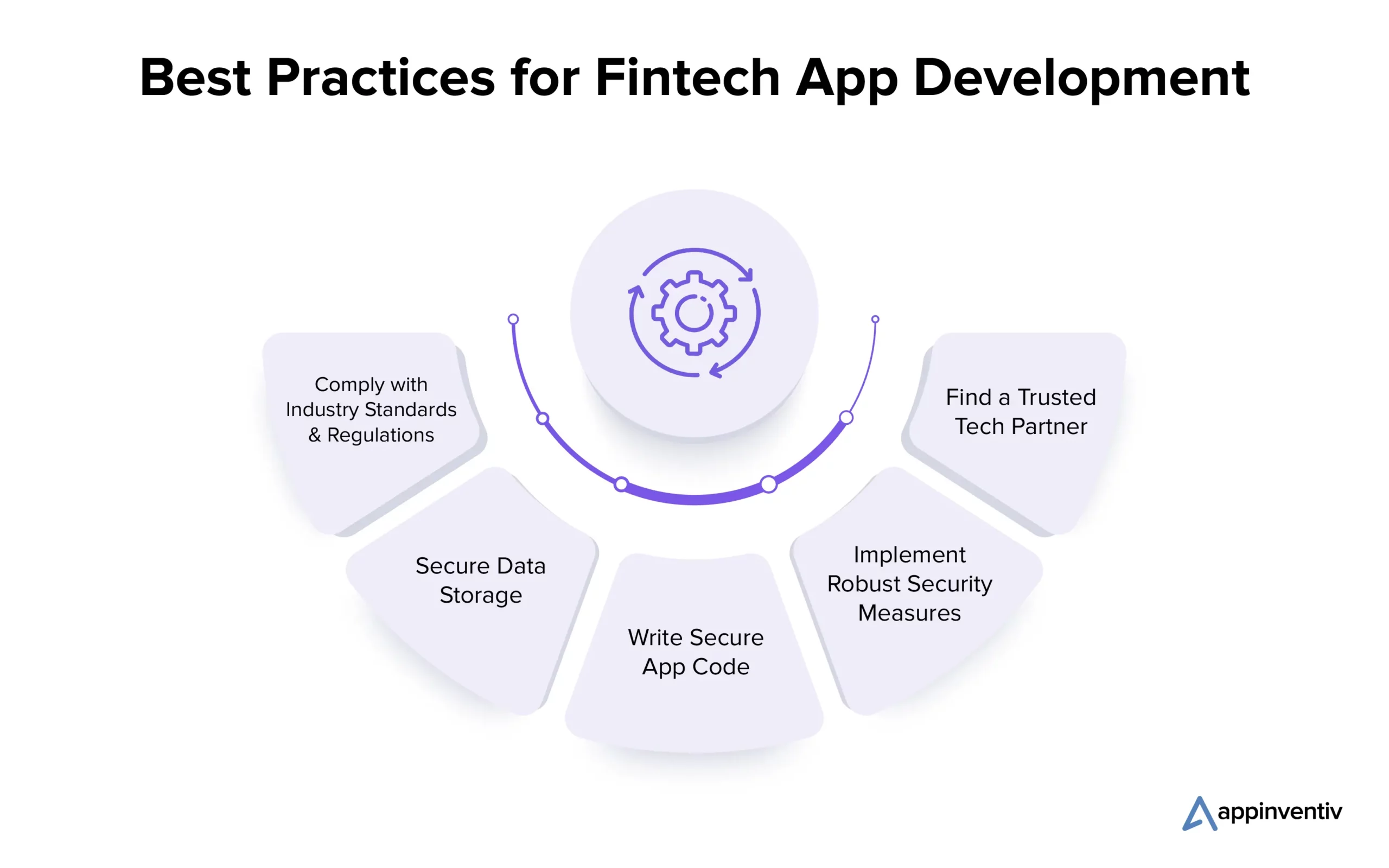
Fintech app security solutions are essential for every fintech product and financial institution that handles sensitive data, transactions, and user credentials. As fintech companies build mobile apps and web platforms, they face cyber threats, vulnerabilities in APIs, and the high cost of a data breach. This guide explains what a secure fintech application requires, why it matters, and practical steps to reduce the risk of unauthorized access and fraud.
Fintech apps: What it is
A fintech app is a software application—mobile or web—designed for financial services: payments, lending, investment, insurance, or banking. Fintech application development combines financial technology, APIs, and secure coding practices to deliver financial transactions and access to sensitive financial information. Fintech app security solutions refer to the set of security measures, tools, and practices used to safeguard these apps, including encryption, multi-factor authentication (MFA), penetration testing, and regulatory compliance like GDPR and PCI DSS.
Security best practices: Why it matters
Security matters because fintech apps process sensitive data and money. A successful attack can cause financial loss, reputational damage, and regulatory fines. Financial apps must prevent breaches, detect malicious activity, and ensure transaction integrity. Robust fintech app security solutions reduce the risk of fraud, data breaches, and unauthorized access to sensitive financial data.
Application security: Features, services, and tools
A comprehensive set of security features is required to build and maintain a secure fintech product. Below are core services and tools used in professional fintech software development and security testing.
Fintech app security solutions: Core technical features
- Encryption at rest and in transit — encrypt sensitive data with strong algorithms and TLS for API communications.
- Multi-factor authentication (MFA) and biometric verification — add layers of login protection to prevent credential theft.
- Secure coding and input validation — adopt secure coding practices to prevent injection and other vulnerabilities.
- API security and certificate pinning — protect APIs with keys, scopes, rate limiting, and pinning to prevent man-in-the-middle attacks.
- Fraud detection and anomaly detection — use machine learning and rules to detect suspicious transactions in real time.
- Penetration testing and regular security audits — professional security testing to find and fix vulnerabilities.
- Access controls and least privilege — ensure third-party software providers and internal services have minimum access.
- Logging, monitoring, and incident response — build detection and rapid response to security incidents.
Fintech app security solutions: Compliance and regulatory tools
Compliance tools help fintech companies meet standards like GDPR, PCI DSS, and sector-specific audits. Automated audit trails, encryption key management, and data retention policies make audits smoother and reduce regulatory risk.
Fintech security: Benefits of strong protection
- Reduce the risk of data breaches and financial loss.
- Maintain customer trust and protect brand reputation.
- Ensure compliance with GDPR, PCI DSS, and financial regulations.
- Detect and stop fraud and unauthorized transactions quickly.
- Lower long-term cost of security incidents and remediation.
- Enable safe integration with third-party services and APIs.
Security testing: Comparison table of common solutions
| Solution | Strengths | Limitations | Best for |
|---|---|---|---|
| Encryption (TLS + at-rest) | Protects data in transit and storage | Key management complexity | All fintech apps |
| MFA & Biometrics | Strong login protection | Usability vs security trade-offs | Mobile fintech, banking |
| API Gateway & Rate Limiting | Protects APIs from abuse | Requires careful configuration | Fintech systems with third-party APIs |
| Penetration Testing | Finds real vulnerabilities | Periodic, not continuous | Security-critical releases |
| Fraud Detection Engines | Real-time anomaly detection | False positives and tuning | Payment & transaction platforms |
Fintech product: Expert insight
Security experts recommend shifting left: integrate security into fintech app development from day one. Secure coding practices, automated security checks in CI/CD, and regular security audits create a strong security posture. For fintech companies, the combination of technical controls (encryption, MFA, API security) and organizational policies (incident response, vendor assessments, compliance) is critical.
Experts also stress that third-party software providers are frequent sources of breach. Regularly vet vendors, require security attestations, and isolate integrations to limit blast radius. Finally, cultivate a security-first culture among product, devops, and QA teams to spot and remediate risks early.
Security features: Use cases
Fintech app security solutions for mobile banking app security
Mobile banking apps require certificate pinning, biometric login, secure storage, and tamper detection to protect sensitive information and financial transactions. Regular mobile security testing and update rollouts keep defenses current.
Fintech app security solutions for payments and transactions
Payment platforms rely on PCI DSS compliance, tokenization, fraud detection, and secure APIs to process transactions safely and reduce the cost of a data breach.
Fintech app security solutions for startups and fintech companies
Early-stage fintechs should prioritize secure fintech app development: threat modeling, secure coding, and minimum viable security controls enable growth while keeping risk manageable.
Fintech application: Pricing and cost overview
The cost of implementing fintech app security solutions varies by scope and maturity. Typical ranges:
- Basic package (SMB/startup): $5k–$25k — secure coding training, MFA, basic encryption, initial security audit.
- Standard package (growing fintech): $25k–$150k — API security, automated security checks, fraud detection, regular pentests.
- Enterprise package (financial institutions): $150k+ — full security posture management, SOC integration, advanced detection, compliance automation, dedicated incident response.
Ongoing costs include monitoring, updates, periodic penetration testing, and compliance audits. Consider the cost of a data breach—lost revenue, fines, and remediation—which often outweighs preventive investment.
Fintech app security solutions: FAQs
1. How quickly should I implement fintech app security solutions?
Start immediately. Integrate basic controls like encryption, MFA, and secure coding before public launch, then layer advanced measures (fraud detection, API security) as you scale.
2. Are biometric logins enough for mobile fintech apps?
Biometrics add strong verification but should be combined with other measures like device attestation, MFA, and secure storage to reduce the risk of unauthorized access.
3. How often should I run penetration testing and security audits?
Perform penetration testing at least annually and after major releases. Security audits and automated scans should be continuous or integrated into CI/CD pipelines.
4. What are the top risks for fintech applications?
Top risks include API vulnerabilities, credential theft, third-party breaches, insecure coding, and inadequate monitoring, leading to delayed detection of cyber threats.
5. How do I balance security with user experience?
Use risk-based authentication, adaptive MFA, and clear communication. Offer frictionless options for low-risk transactions while enforcing stricter checks for high-value or unusual activity.
Fintech security: Conclusion + CTA
Building a secure fintech app requires a layered approach: secure coding, strong encryption, MFA, API security, fraud detection, and regular security testing. Fintech app security solutions protect sensitive information, ensure compliance, and reduce the cost of a data breach. Whether you are a startup launching a fintech product or a financial institution maintaining mobile banking app security, prioritize security from design to deployment.
Ready to safeguard your fintech application with professional security testing and robust fintech app security solutions? Contact our security team to schedule an audit and get a tailored roadmap for compliance and protection.
Fintech Analytics Solutions: Best Data Intelligence Platforms for Fintech Growth (2026) , Fintech Business Consulting Services: Top Growth Strategies for Fintech Companies (2026) , Top Voice AI Solutions for Fintech Companies in 2026
Leave a Reply