
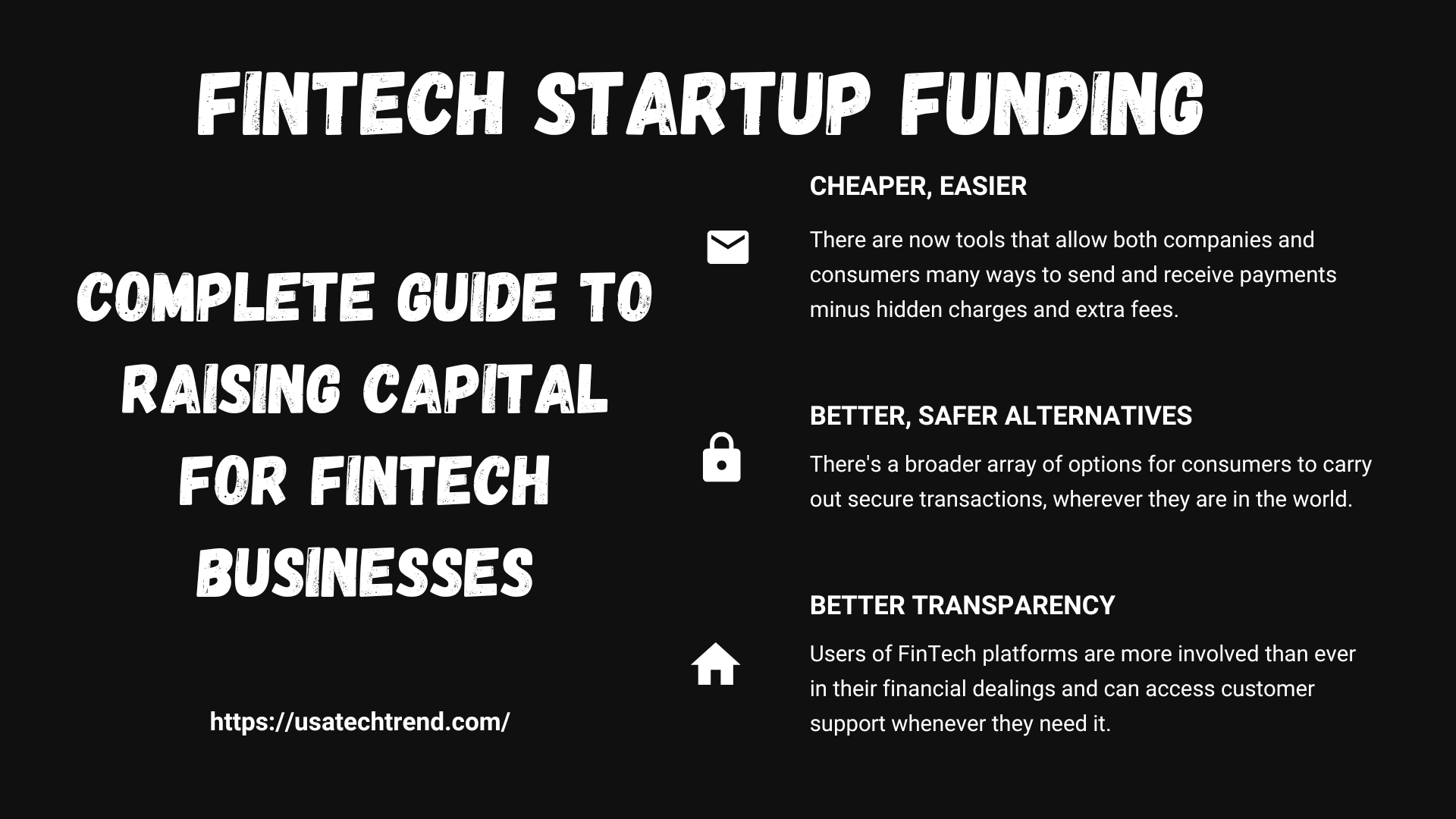
Fintech startup funding starts with a strong product-market fit and a clear path to scaling. Whether you are an early-stage fintech founder, an investor, or a partner at an accelerator, understanding capital sources, valuation drivers, and the competitive landscape is critical to success.
This guide explains what fintech startup funding is, why it matters, key features and services investors look for, and practical steps to raise funds in 2026 and beyond.
Fintech funding: Why investors and startup founders care
What fintech startup funding is
Fintech startup funding is the capital provided to financial technology companies to build, scale, and commercialize financial services products. This covers equity financing, venture debt, grants, accelerator capital, and non-dilutive options that support product development and go-to-market.
Why fintech startup funding matters
Funding fuels r&d, regulatory compliance, cross-border expansion, fraud detection systems, and AI-powered features. With the rise of digital assets, blockchain, and crypto involvement, the right capital strategy determines whether a startup becomes a unicorn or stalls.
Key related terms to know
Common phrases include investor, vc, venture capital, valuation, seed, series A/B, accelerator, venture debt, insurtech, b2b fintech, and global fintech. These shape conversations with top investors such as a16z, Sequoia, and other leading VC-backed funds.
Startup funding options for fintech: Equity, debt, and alternatives
Equity financing and VC funding
Equity financing is the most common path for high-growth fintech companies. Venture capital firms like Andreessen Horowitz, Sequoia Capital, and YC-backed funds provide capital in exchange for ownership, helping startups scale rapidly.
Venture debt and non-dilutive funding
Venture debt complements equity by providing working capital without immediate dilution. Non-dilutive grants, revenue-based financing, and strategic partnerships with established companies can be useful for sustaining growth before a large round.
Accelerators, angel investors, and corporate partners
Accelerators and angel investors provide early-stage support—often mentorship and connections as much as capital. Corporate partnerships and pilot programs help fintech startups access customers and compliance expertise.
Fintech investors: What top investors look for in 2026
Product-market fit and customer economics
Fintech investors prioritize sustainable unit economics, low customer acquisition cost, and high lifetime value. Demonstrable revenue traction and retention metrics reduce valuation risk.
Technology moat: AI, fraud detection, and blockchain
AI in financial services, robust fraud detection, and well-architected blockchain integrations form durable moats. Investors value proprietary data and models that improve over time and are hard to replicate.
Regulatory readiness and compliance workflow
Regulatory compliance remains a gating factor. Well-documented compliance workflows, partnerships with regulated entities, and readiness for cross-border licensing increase appeal to institutional investors.
Key features and services fintech startups should highlight
Core financial products and APIs
APIs for payments, KYC, identity, remittances, and lending are foundational. B2B fintech companies often succeed by offering white-label solutions that help established companies move money or embed finance.
AI-driven personalization and fraud prevention
Features like risk scoring, anomaly detection, and personalized financial products are increasingly expected. Demonstrating measurable improvements in conversions or loss rates is persuasive to investors.
Cross-border capabilities and digital assets
Support for multi-currency rails, crypto settlements, and digital asset custody expands addressable markets. Highlighting global fintech use cases shows potential for wide capital flows.
Benefits of raising fintech startup funding
- Access to capital for product development, compliance, and scaling.
- Strategic support from investors, including introductions to partners and customers.
- Credibility and validation that attract talent and new customers.
- Ability to pursue rapid growth and market share to reach unicorn status.
- Flexibility to explore new markets, digital assets, and R&D investments.
Comparison table: Funding options for fintech startups
| Funding Type | Best For | Pros | Cons | Typical Stage |
|---|---|---|---|---|
| Angel / Seed Equity | Early product-market fit | Mentorship, quick decisions | High dilution early | Pre-seed to Seed |
| Venture Capital (VC) | High-growth scaling | Large checks, network | Equity loss, expectations | Series A+ (Early-stage) |
| Venture Debt | Revenue-generating startups | Less dilution | Repayment obligations | Post-seed, Series A/B |
| Non-dilutive / Grants | R&D, compliance costs | No equity loss | Smaller amounts, competitive | Any stage |
| Corporate Partnerships | Pilot & distribution | Customer access | Potential strategic constraints | Any stage |
Expert insight on fintech funding and valuation
From investors and founders
Top investors emphasize runway and defensibility. A16z and Sequoia-style partners often look for category-defining products and repeatable sales cycles. Experienced founders recommend balancing dilution with the speed needed to capture market share.
Valuation drivers and exit expectations
Key valuation drivers include ARR growth, gross margins, retention, and TAM. Exit opportunities for fintech include strategic M&A with large financial services companies, IPOs, or even secondary sales to global investors.
Practical fundraising tips
Build a clear roadmap, prepare a concise investor deck, and show a realistic use of funds. Use demo days and accelerators to meet top investors and explore platforms like YC, Combinator programs, and sector-specific accelerators.
Use cases: How funding accelerates fintech product execution
B2B payments and cross-border remittances
Funding enables bank partnerships, compliance KYC tooling, and settlements infrastructure to accelerate cross-border payment products that help enterprises send money globally.
Insurtech and embedded finance
Capital supports actuarial R&D, regulatory approvals, and partnerships with established carriers. Embedded finance in platforms can drive rapid adoption and recurring revenue streams.
Lending marketplaces and consumer finance
Loans require capital pools, credit models, and collections teams. Funding supports securitization, venture debt, and investor relationships to scale lending products.
Pricing and cost overview for fintech startup funding
Typical funding sizes and use of proceeds
Seed rounds often range from $500k to $3M; Series A can be $5M–$20M depending on traction and valuation. Capital is typically allocated to product, compliance, sales, and hiring.
Costs beyond capital — regulatory and operational
Expect costs for legal, licensing, KYC/AML tooling, and security audits. Budget for cloud infrastructure, fraud detection systems, and ongoing r&d investments.
How to price your finance product
Pricing should reflect value delivered — transaction fees, subscription models, revenue share, or usage-based pricing often work well in fintech. Consider competitive benchmarking and partner incentives.
Common mistakes fintech founders make when seeking funding
Overlooking regulatory timelines
Investors penalize startups that underestimate licensing and compliance time. Factor these timelines into your runway and milestones.
Ignoring unit economics
Growth without sustainable CAC and LTV leads to down rounds. Show clear driver metrics and break-even pathways to de-risk investor capital.
Raising too little or too much
Raising insufficient capital forces bad decisions; raising too much can lead to premature scaling and inefficient spend. Align raise size with validated milestones.
Future trends in fintech startup funding (2026)
AI-first financial products and investor appetite
In 2026, ai in financial services will be a central thesis for many fintech investments. Investors will favor startups that safely integrate AI for underwriting, personalization, and fraud detection.
Growth of non-dilutive and alternative capital
Expect more innovative capital sources: revenue-based financing, structured venture debt, and tokenized capital instruments for startups working with digital assets and blockchain.
Consolidation and strategic exits
Large financial services companies will continue to acquire promising fintech companies for capabilities like payments, compliance, and embedded finance—creating multiple exit pathways for founders.
Roadmap to secure fintech startup funding and scale
Step 1: Validate and measure
Establish key metrics: ARR, MRR, churn, CAC, and LTV. Use pilot programs with enterprise customers to prove unit economics.
Step 2: Build investor-ready materials
Prepare a concise deck, a financial model, and a compliance summary. Demonstrate a clear use of funds and expected milestones to the next valuation step.
Step 3: Target the right investors and partners
Research investors with fintech portfolios and strategic experience. Consider VC-backed accelerators, top investors lists, and partner introductions through demo days.
Common exit strategies for fintech founders and investors
Acquisition by established companies
Strategic acquisitions by large banks, payment processors, or tech companies are common exits, especially for startups that offer complimentary financial products or workflows.
IPO and secondary markets
VC-backed companies with sustained growth may pursue IPOs or secondary liquidity events. Preparing governance and financial reporting early is essential.
Checklist: Preparing for your next raise
- Documented product-market fit with paying customers.
- Clear regulatory and compliance plan.
- Robust fraud detection and security posture.
- Detailed financial model with milestone-based use of funds.
- Target list of investors and warm introductions.
FAQs about Fintech Startup Funding
1. What is fintech startup funding and how does it differ from other startup funding?
Fintech startup funding specifically targets companies building financial products and services. It often requires additional capital for compliance, licensing, and security compared to non-fintech startups.
2. When should I consider venture debt vs. equity financing?
Consider venture debt when you have predictable revenue and want to avoid further dilution; equity is preferred when you need large capital infusions to rapidly scale and capture market share.
3. How do investors value fintech startups?
Investors focus on ARR, growth rate, retention, margins, and defensibility like AI models or proprietary data. Regulatory risk and capital intensity also influence valuation.
4. What are common mistakes founders make in fintech funding rounds?
Common mistakes include underestimating regulatory timelines, poor unit economics, and failing to target investors who understand fintech nuances.
5. How will fintech startup funding evolve in 2026?
Fintech startup funding in 2026 will emphasize AI-first solutions, more non-dilutive capital options, and strategic partnerships with large financial services companies to accelerate exits.
Conclusion: Fintech Startup Funding and next steps
Fintech startup funding is more than capital—it’s a strategic enabler for product development, compliance, and rapid scaling. By focusing on unit economics, regulatory readiness, and building a defensible technology moat, fintech founders can attract the right investors and reach meaningful exits.
Ready to raise your next round or explore partner introductions? Start by creating a focused investor deck and mapping out milestones tied to measurable growth.
Call to action: Get a funding readiness review tailored to fintech founders — contact our team to schedule a consultation and craft a winning fundraising strategy.
Fintech Public Relations: Proven PR Strategies for Financial Technology Companies , Fintech PR Consultancy: Best Public Relations Strategies to Grow Fintech Brands , Fintech Lawyer: Complete Guide to Legal Services, Compliance & Financial Regulations (2026)
Leave a Reply