
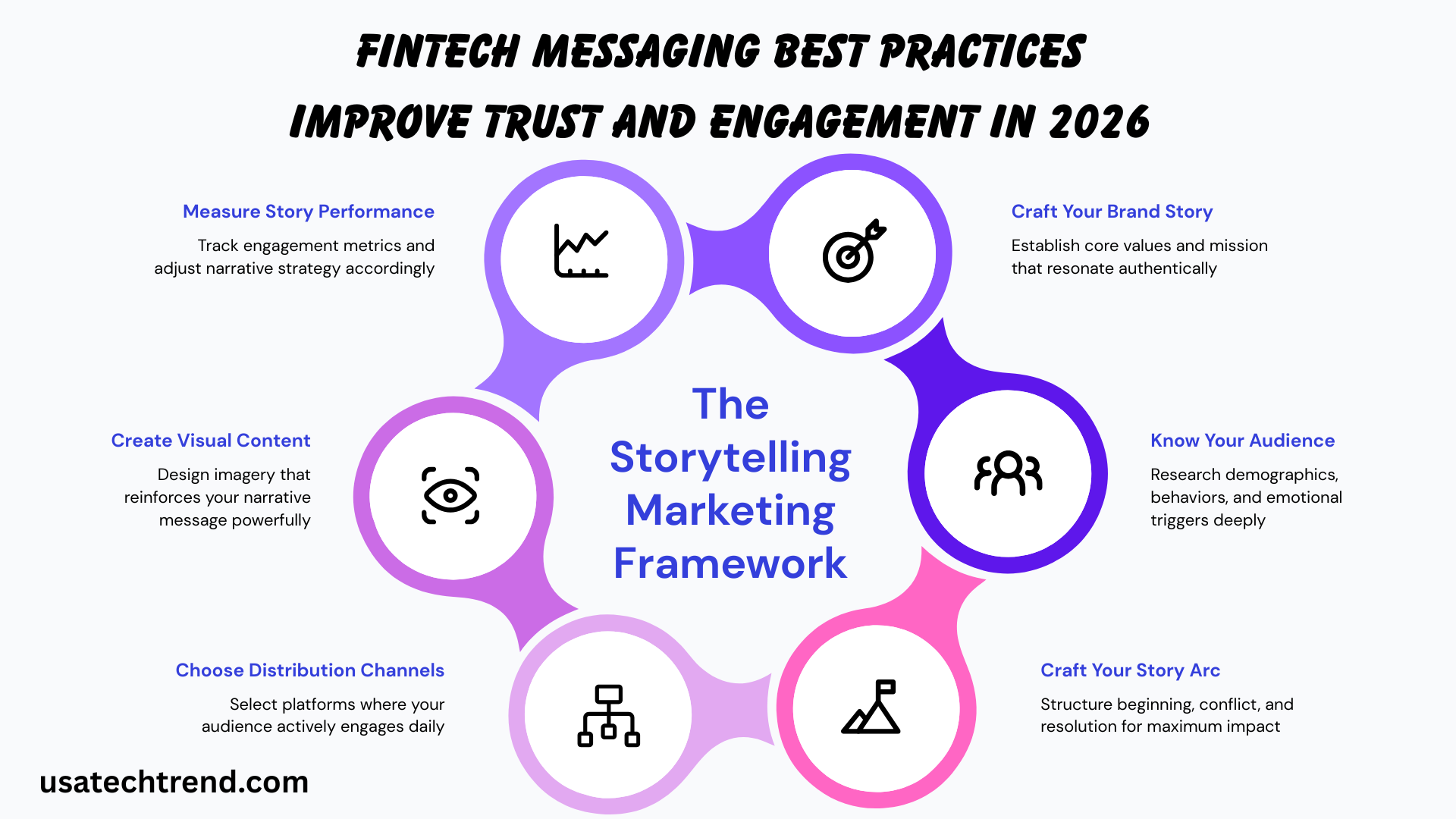
Fintech Messaging Best Practices set the standard for how financial technology companies communicate securely, compliantly, and effectively with customers across SMS, email, push, and in-app channels.
This guide explains what fintech messaging is, why it matters, core features and services, and practical workflows you can implement today to improve deliverability, reduce fraud, and increase customer lifetime value.
What is Fintech Messaging Best Practices?
Fintech messaging best practices combine technical, legal, and UX guidelines to ensure messages are timely, relevant, and secure. They cover everything from message design and channel selection to encryption and compliance with banking and privacy regulations.
Core elements include authentication flows, transactional messaging, marketing communications, event-triggered alerts, and conversational interfaces powered by secure APIs and orchestration platforms.
Why Fintech Messaging Best Practices Matters
Secure and effective messaging protects customers, prevents fraud, and preserves trust—critical assets for fintech brands operating in a regulated environment. Poor messaging practices lead to chargebacks, regulatory fines, and brand damage.
When implemented well, these best practices increase open rates, speed up onboarding, reduce support burden, and enable personalized experiences that drive retention and revenue.
Key Features and Services for Fintech Messaging Best Practices
Secure channels and encryption
Use TLS, end-to-end encryption where possible, and ensure data at rest is protected. This reduces interception risk and meets expectations for financial communications.
Transactional and event-triggered messaging
Prioritize real-time alerts for payments, account changes, and fraud detection. Transactional messages should have priority routing and guaranteed deliverability SLAs.
Authentication and verification flows
Implement multi-factor authentication (MFA), passwordless sign-in, and one-time passcodes (OTPs) with rate limiting and adaptive risk scoring.
Channel orchestration and personalization
Use orchestration platforms to select the right channel—SMS, email, push, or in-app—based on customer preference, context, and cost. Personalize content with templates and attributes while maintaining privacy.
Compliance and auditability
Log message metadata, consent receipts, and retention policies to comply with GDPR, CCPA, PCI-DSS, and local financial regulators. Maintain auditable trails for dispute resolution.
Benefits of Implementing Fintech Messaging Best Practices
- Improved security and reduced fraud exposure
- Higher message deliverability and open rates
- Faster account activation and lower onboarding drop-off
- Better regulatory compliance and auditable records
- Increased customer engagement and retention
- Lower support costs via proactive alerts and automation
Comparison Table: Messaging Channels for Fintech Messaging Best Practices
| Channel | Strengths | Limitations | Best Use |
|---|---|---|---|
| SMS | High open rates, immediate delivery | Cost per message, limited content | OTPs, payment alerts, fraud notices |
| Rich content, long-form communication | Lower immediacy, spam filters | Statements, onboarding sequences, newsletters | |
| Push Notifications | Real-time, low cost, high engagement on mobile | Requires app install, opt-in | Transaction alerts, personalized offers |
| In-app Messaging | Contextual, non-intrusive, rich UX | Visible only when app open | Guided onboarding, help tips, confirmations |
| Secure Chat / Conversational | Personalized support, two-way communication | Operational overhead, moderation | Customer service, dispute resolution |
Expert Insight on Fintech Messaging Best Practices
Industry experts emphasize the balance between security and user experience. Overly burdensome verification reduces conversions, while lax controls invite fraud. The winning approach uses risk-based authentication and continuous monitoring.
Leaders recommend a vendor-neutral orchestration layer, so teams can route messages based on cost, deliverability, and compliance without locking into a single provider. They also stress incorporating behavioral signals and machine learning for adaptive messaging.
Use Cases for Fintech Messaging Best Practices
Account onboarding and verification
Send OTPs, welcome messages, and KYC reminders using prioritized channels. Track delivery and completion rates to optimize flows.
Payment and transaction alerts
Real-time alerts for credits, debits, and settlement events reduce disputes and improve transparency.
Fraud detection and risk notifications
Notify customers immediately of suspicious logins or transactions and provide secure next-step actions like freezing accounts.
Marketing and user engagement
Segment audiences for upsells, product launches, and retention campaigns while maintaining consent records and opt-out mechanisms.
Customer support and dispute resolution
Use secure messaging or in-app chat to resolve issues quickly, attaching relevant transaction metadata for faster outcomes.
Pricing and Cost Overview for Fintech Messaging Best Practices
Pricing varies by channel, volume, geography, and vendor. Consider total cost of ownership including setup, API fees, per-message costs, and compliance overhead.
Typical cost drivers:
- SMS: per-message fee (USD 0.005–0.10), carrier surcharges, number leasing
- Email: per-thousand or subscription pricing; additional fees for deliverability tools
- Push: generally low per-message cost; costs tied to platform and push provider
- Orchestration/Platform: setup fees, monthly platform cost, usage-based routing fees
To estimate, calculate messages per user per month, multiply by channel unit costs, and add platform and compliance costs. Negotiate volume discounts and prioritize channels by ROI.
Common Mistakes to Avoid with Fintech Messaging Best Practices
Ignoring consent and privacy
Failing to obtain clear consent or maintain opt-out mechanisms risks fines and customer backlash. Implement granular consent capture and storage.
Over-relying on a single channel
Channel outages or carrier blocks can interrupt critical flows. Use multi-channel fallback and health checks.
Poor template and copy design
Confusing or verbose messages increase support tickets and reduce click-through. Keep messages concise, actionable, and consistent in tone.
Not monitoring deliverability or reputation
Neglecting metrics like bounce rates, complaint rates, and carrier feedback can lead to throttling or blacklisting.
Insufficient logging for audits
Not storing message metadata, timestamps, and consent records impedes dispute resolution and compliance reporting.
Future Trends in Fintech Messaging Best Practices (2026)
By 2026, expect wider adoption of encrypted conversational interfaces, AI-driven personalization at scale, and stronger regulatory scrutiny around messaging consent and data residency. Federated identity and decentralized verification (verifiable credentials) will reduce friction in KYC.
Other trends include cross-channel orchestration driven by predictive analytics, regulation-aware content filters, and expanded use of biometrics and contextual risk scoring to reduce reliance on OTPs.
Implementation Checklist for Fintech Messaging Best Practices
- Define messaging taxonomy: transactional, operational, marketing
- Map channels to message types and priority
- Implement encryption and secure key management
- Capture and store consent and audit logs
- Set up deliverability monitoring and fallback routing
- Use templating and localization for consistent UX
- Apply risk-based authentication and anomaly detection
- Conduct regular compliance reviews and penetration tests
How to Measure Success for Fintech Messaging Best Practices
Key metrics include delivery rate, open rate, click-through rate, conversion rate, time-to-action, complaint rate, fraud incidents prevented, and cost per successful outcome.
Use dashboards and alerts to monitor trends and set SLAs for critical flows. Continuous A/B testing of copy, channel mix, and timing will improve performance over time.
Integration and Vendor Selection for Fintech Messaging Best Practices
Choose vendors with robust APIs, compliance certifications (ISO 27001, SOC 2), and strong SLAs. Evaluate documentation, SDKs, and support for regional carriers and number management.
Test sandbox environments and measure end-to-end latency, failover behavior, and reporting quality before full production rollout. Maintain vendor-agnostic orchestration where feasible.
Real-world Examples and Case Studies
Onboarding acceleration
A mid-sized neobank reduced KYC drop-off by 32% using adaptive messaging: SMS fallback for failed push and simplified verification copy, combined with frictionless document uploads.
Fraud mitigation
An online lender cut chargebacks by 24% after implementing real-time transaction alerts and a secure chat channel for immediate dispute resolution.
FAQs about Fintech Messaging Best Practices
Fintech Messaging Best Practices: What channels should I prioritize?
Prioritize transactional channels first (SMS, push, in-app) for critical alerts, then email for statements and marketing. Use customer preference data to optimize the mix.
Fintech Messaging Best Practices: How do I balance security and UX?
Use risk-based authentication to apply strict controls only when risk signals appear. Employ passwordless and biometric options to reduce friction while keeping security high.
Fintech Messaging Best Practices: What compliance rules matter most?
Focus on GDPR/CCPA for privacy, PCI-DSS for payment data handling, and local financial regulatory guidance for communications. Keep auditable consent and retention policies.
Fintech Messaging Best Practices: How can I reduce messaging costs?
Optimize by using cheaper channels for non-urgent messages, aggregating notifications, and negotiating volume pricing. Use intelligent routing to select cost-effective carriers without sacrificing deliverability.
Fintech Messaging Best Practices: When should I use orchestration platforms?
Use orchestration when you require multi-channel failover, consistent personalization, vendor flexibility, and centralized compliance and logging. Smaller teams may start with vendor-native tools and migrate as volume grows.
Conclusion
Fintech Messaging Best Practices are essential for secure, compliant, and effective customer communications in modern financial services. By combining encryption, consent management, channel orchestration, and continuous monitoring, organizations can reduce fraud, improve conversion, and build lasting trust.
Start by auditing current flows, prioritizing critical transactional messages, and implementing a vendor-agnostic orchestration strategy. Use the checklist and metrics above to measure progress and iterate toward optimized messaging.
Take action: Review your messaging flows this week, capture missing consent records, and run a deliverability audit to identify high-impact fixes.
Best Spend Management Software for Businesses (Complete Guide) , Fintech Product Development: How to Build Scalable Solutions in 2026 , Fintech App Design and Development: Complete Guide for Startups (2026)
Leave a Reply