
Liquidity Management for Startups: Cash Management Strategies for Business Success
Running out of cash is one of the fastest ways a startup fails, but clear liquidity management can prevent that and keep your company growing. This article shows practical liquidity management strategies for startups so you can maintain cash flow, reduce risk, and secure financial stability.
Why liquidity and cash flow management matters for startups
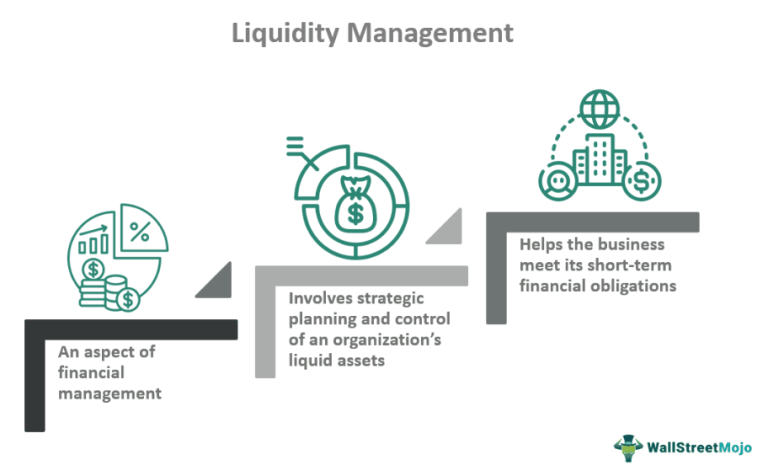
Liquidity means having enough cash or liquid assets to meet short-term obligations. For startups, liquidity affects payroll, vendor payments, customer refunds, and runway.
Good liquidity management lowers the chance of abrupt shutdowns, improves investor confidence, and lets you seize opportunities like hiring or small acquisitions.
What liquidity management for startups is
Liquidity management for startups is the process of monitoring, forecasting, and optimizing cash inflows and outflows. It includes setting cash reserves, managing receivables and payables, and choosing where to hold excess cash.
Strategies range from simple cash flow forecasts to advanced treasury operations as the company scales.
Core liquidity management strategies
1. Build rolling cash forecasts that update weekly or daily. Forecasts give you early warning of shortfalls.
2. Prioritize runway over growth when cash is tight. Stretch runway by trimming discretionary spend and delaying nonessential hires.
3. Optimize collections: shorten invoicing cycles, offer discounts for early payment, and use clear payment terms.
4. Stretch payables sensibly: negotiate longer terms with vendors without harming relationships.
5. Maintain a cash reserve equal to 3–6 months of operating expenses, adjusted for your risk profile.
6. Use short-term financing or credit lines strategically, not as a permanent fix.
How to improve your liquidity: tools and software to optimize cash flow
Choosing the right tools makes liquidity management repeatable and less error-prone. Below are popular options with pros and cons.
Best tools and software (with pros & cons)
- QuickBooks Online — Pros: Easy setup, accounting + cash reporting, integrates with payroll. Cons: Limited advanced forecasting features, can be expensive for larger teams.
- Float — Pros: Simple cash flow forecasting, real-time sync to accounting systems, scenario planning. Cons: Focused on forecasting only; needs integration for full accounting.
- Brex — Pros: Integrated cards, corporate accounts, built-in spend controls, liquidity insights. Cons: Best for U.S. companies, fees for some services.
- Stripe Treasury — Pros: Embedded banking features for platforms, programmatic cash management. Cons: Requires engineering resources to integrate; not ideal for all startups.
- Plaid + bank integrations — Pros: Real-time balance and transaction data, flexible. Cons: Requires technical setup and security investment.
- Vena/Adaptive Insights — Pros: Enterprise-grade FP&A and scenario modeling. Cons: High cost and complexity for early-stage startups.
Benefits of using tools
- Automated cash forecasts reduce manual errors.
- Consolidated view of bank accounts speeds decision-making.
- Scenario modeling helps plan for best- and worst-case outcomes.
- Faster collections and controlled spending improve net cash position.
Comparison table: liquidity tools at a glance
| Tool | Best for | Key feature | Pros | Cons |
|---|---|---|---|---|
| QuickBooks Online | Small to mid startups | Accounting + basic reporting | Easy setup, many integrations | Limited forecasting |
| Float | Startups needing cash forecasting | Realtime cash flow forecast | Simple, scenario planning | No full accounting |
| Brex | High-spend startups | Corporate cards + accounts | Spend control, rewards | US-focused |
| Stripe Treasury | Platforms, marketplaces | Embedded banking APIs | Programmable cash ops | Integration work required |
| Vena/Adaptive | Scaling startups | FP&A and modeling | Powerful scenario tools | Expensive, complex |
Pricing overview for liquidity management options
Pricing varies by tool and company size. Expect a monthly range from under $20 for basic accounting to $1,000+ for enterprise FP&A suites.
Typical bands:
- Accounting software: $15–$100/month.
- Cash forecasting add-ons: $50–$400/month.
- Corporate card + finance platforms: flat fees + interchange; often free to start with optional paid services.
- Enterprise FP&A: $1,000+/month or custom pricing.
Also budget for bank fees, payment processor fees, and any integration or consultant costs.
How to mitigate liquidity risk and optimize cash reserves
Mitigate liquidity risk by diversifying funding sources: a mix of revenue, short-term credit, and committed investor lines is ideal.
Keep cash in insured accounts and tier access: an operational account for day-to-day, a reserve account for emergencies, and a short-term market fund if you have surplus cash.
Benefits of strong liquidity management
- Improved runway and ability to survive downturns.
- Better negotiation leverage with vendors and investors.
- Faster decision-making and fewer surprises.
- Higher valuation stability and investor confidence.
Expert insight: practical steps founders should take now
Founder tip: start with a rolling 13-week cash forecast. Update it weekly and link actual bank balances to the model.
Finance lead tip: automate invoicing and payment reminders, and run monthly scenario stress tests to plan for 20–40% revenue dips.
Investor-facing tip: present clear runway scenarios and contingency plans when fundraising. Investors back teams that can manage liquidity proactively.
Implementation checklist
- Create a 13-week rolling cash forecast.
- Set up bank feeds and one forecasting tool.
- Negotiate payment terms with top vendors.
- Establish a minimum cash reserve policy.
- Define triggers for accessing credit or cutting spend.
FAQs about liquidity management strategies for startups
1. How much cash reserve should a startup keep?
A common rule is 3–6 months of operating expenses, but early-stage startups with volatile revenue may target 6–12 months. Tailor reserves to burn rate and access to credit.
2. When should a startup use a credit line?
Use credit lines for short-term timing gaps, not to fund long-term structural deficits. Access them when you have a plan to repay within months or when opportunity-driven spending will generate quick returns.
3. Can startups rely on revenue to manage liquidity?
Revenue is the best source of liquidity, but early startups should avoid assuming steady growth. Combine revenue with reserves and optional credit to reduce risk.
4. How often should I update cash forecasts?
Update weekly for early-stage companies and at least monthly for more stable businesses. During rapid change, move to daily updates for critical accounts.
5. What metrics should I track for liquidity?
Key metrics: cash runway (months), burn rate, days sales outstanding (DSO), days payables outstanding (DPO), and operating cash flow.
Comparison—why these strategies beat common mistakes
Many startups fail because they rely on optimism, ignore short-term forecasts, or lack clear reserve policies. The strategies here emphasize data, automation, and scenario planning to reduce surprises.
Combine these tactics with the right tools and governance to stay ahead of liquidity challenges and protect your core business.
Conclusion & call to action
Liquidity management is not optional—it’s a survival skill. Start today: create a weekly cash forecast, set a reserve policy, and pick one tool to automate flows.
Want a practical template or a walkthrough? Visit [link: topic] to get resources and templates that help founders implement these liquidity management strategies for startups quickly.
Best Procurement Automation Software for Small Business , How to Manage Business Expenses Effectively (Step-by-Step) , Strategic Budgeting for Startups: Complete Guide
Leave a Reply